
When a full-arch bridge isn’t working
Full-arch implant treatment, including All-on-4 and similar techniques, replaces a whole arch of teeth with a fixed bridge supported by several implants. It is complex treatment, and problems with the bridge, the implants or the bite can affect the whole mouth.

Common problems we see
- The bridge cracks, chips or breaks
- The bridge or screws keep coming loose
- One or more of the supporting implants becomes loose or infected
- Food trapping under the bridge and difficulty cleaning
- Speech changes, lip support or appearance concerns
- The bite feels wrong, or jaw muscles ache
- A temporary bridge that was never replaced with a final one
Why full-arch treatment runs into trouble
- Bridge design and material: a bridge that is too thin, made from a material unsuited to the forces involved, or hard to clean.
- Bite forces: heavy biting or clenching, especially against natural teeth or another implant bridge.
- Implant position and number: implants placed where they can’t support the bridge well, or too few implants for the load.
- Gum and bone health: peri-implantitis around one or more implants.
- Incomplete treatment: a temporary bridge left in place for longer than intended.
How Collins Street Specialist Centre assesses full-arch complications
- Complimentary review with Dr Kia Pajouhesh.
- Removal of the bridge where appropriate, to check each implant individually.
- X-rays and 3D cone beam CT imaging.
- Assessment of the bite, jaw joints and facial support.
- Joint planning between our prosthodontists and oral surgeon, and our periodontist where gum or bone health is a concern.
What conservative re-treatment can look like
Depending on the findings, options may include:
- repairing or remaking the bridge in a stronger, more cleanable design
- replacing worn or broken screws and components
- treating infection around individual implants
- adding implants where support is insufficient
- adjusting the bite and providing a night guard
- where an implant has failed, removing it and planning around the remaining implants
We look to keep sound implants wherever possible and plan any new work around what is already there.
Who will provide my Specialist Treatment?
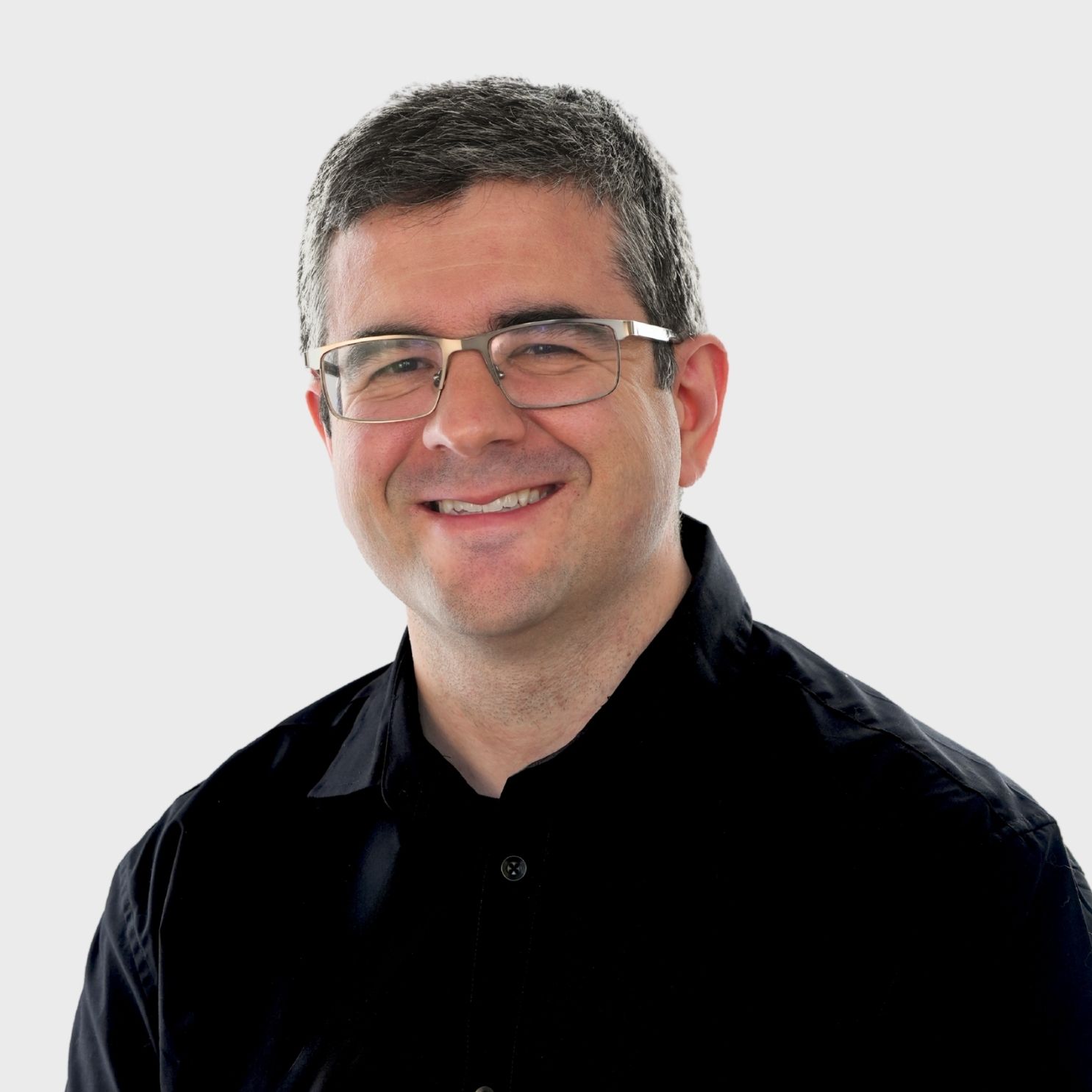
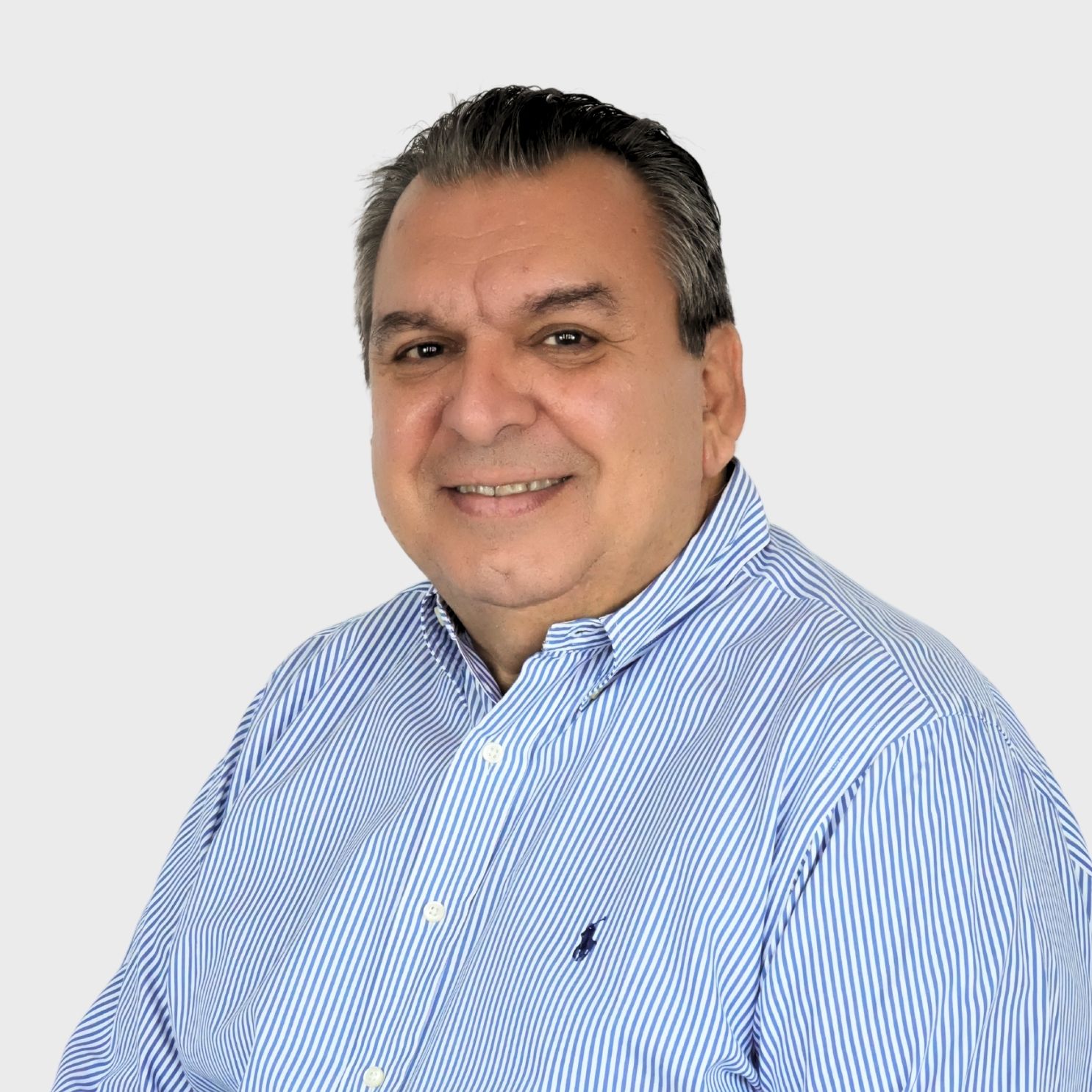
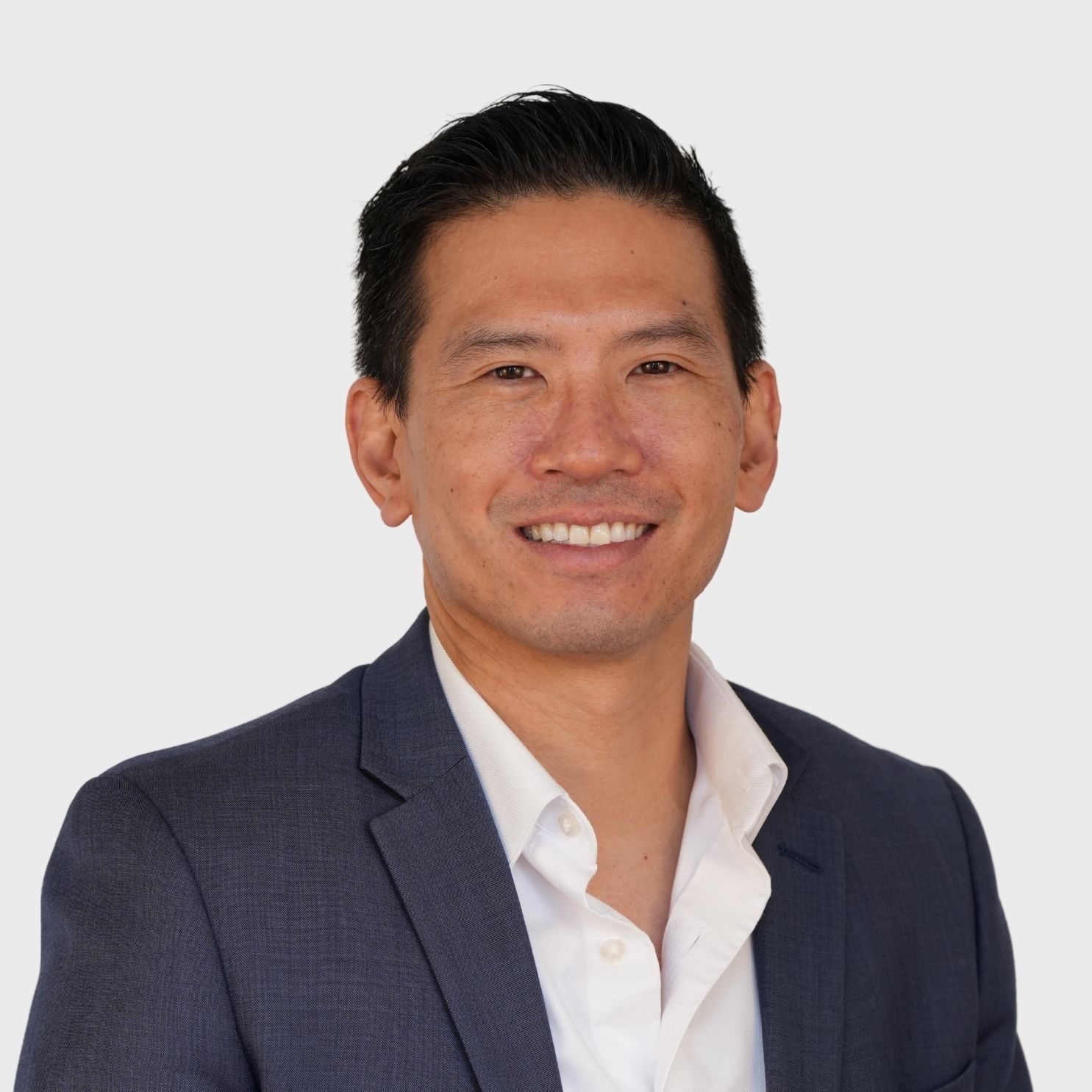
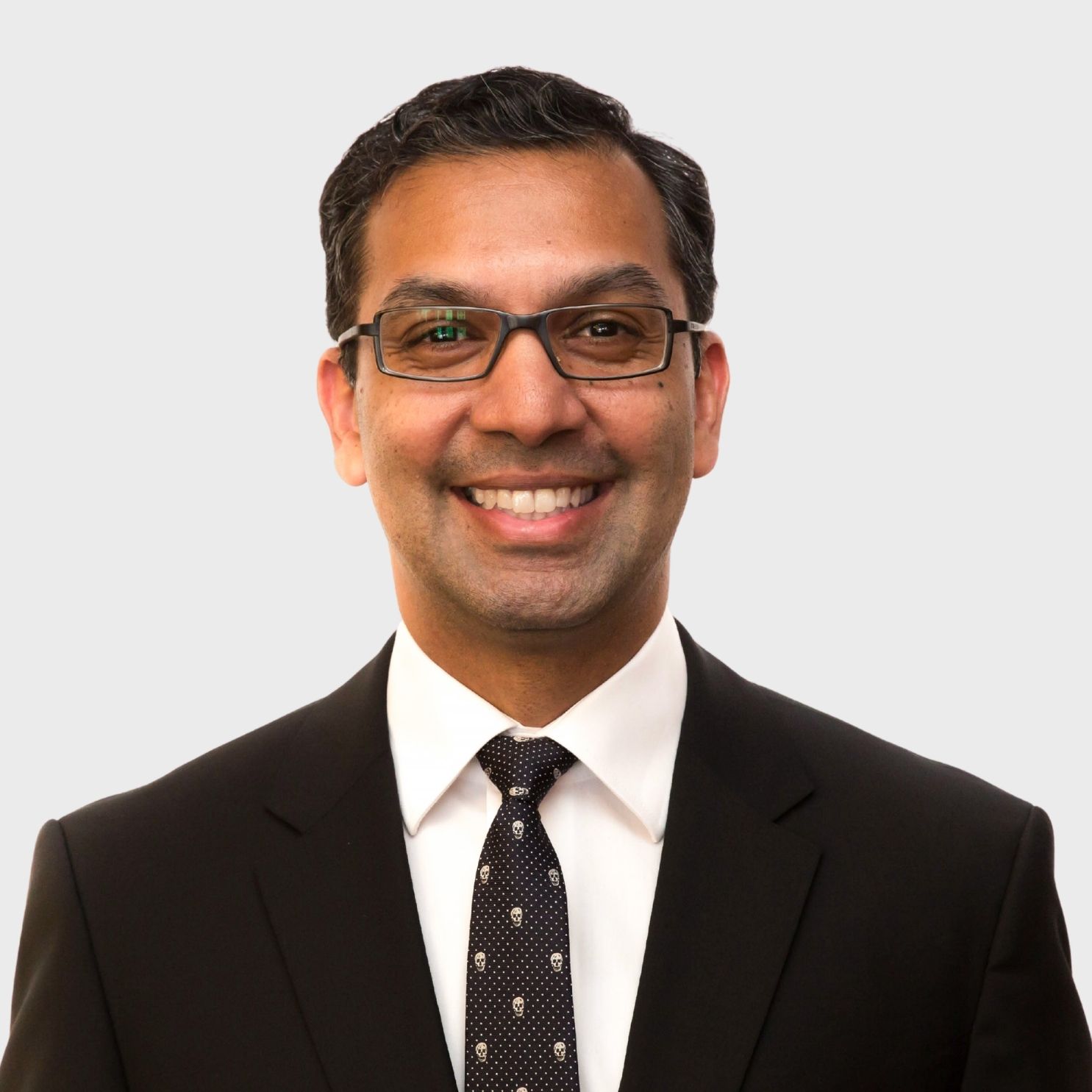
Lead specialists: Prof Vasileios Chronopoulos, Dr Fotios Angelis, Dr Jamie Foong (prosthodontics); Dr Ricky Kumar (oral and maxillofacial surgery); Dr Simon Hinckfuss (periodontics).
To qualify as a registered specialist in Australia, practitioners must first have the same degree as a general dentist, with honours. They then study for a further three to four years for a Masters degree or equivalent specific training in their speciality, making them eligible to apply for registration with the Dental Board of Australia as a specialist.
Never assume that a clinician is a registered specialist; always check on the website of the Australian Health Practitioner Regulation Agency.
Frequently Asked Questions
My All-on-4 bridge has cracked. Do I need all new implants? Usually not. A cracked bridge can often be repaired or remade on the existing implants, provided the implants themselves are healthy.
I’ve had a temporary bridge for over a year. Is that a problem? Temporary bridges aren’t designed to last long term and are more prone to cracking and wear. It’s worth having the implants and bridge assessed.
Can you take over full-arch treatment started elsewhere or overseas? Yes. Bring all the records and implant details you can. Click here to learn more.